
Remote Raise: What Happens When a Pitch Night Moves to Zoom
Seven startups, forty investors and no room: what Raise Ventures’ first online investor event taught us about pitching over Zoom.
Seven startups, forty investors, no room. On Thursday 18 June, Raise Ventures ran its investor pitch event entirely on Zoom. It was called Remote Raise, it was the sixth Raise pitching event in three years, and it was never supposed to happen this way.

Plan A was a room in Belfast
I’ve been working with Raise Ventures, the privately-run startup accelerator in Belfast’s Cathedral Quarter, on their marketing, content and digital tools. The spring pitch event was due to be held in Belfast in April: founders on their feet, investors in the seats. Lockdown put an end to that.
Instead it moved online. Armour, Machine Eye, Journey Protector, Pryntd, Upskill, Stable Innovations and UMA each pitched over Zoom to an audience of 40 angels and funds. The recording is on the Raise YouTube channel.
The thing nobody expected
The audience travelled further than any room would have let it. In Raise’s own words afterwards, it “came from far and wide, US, UK, Ireland and Europe”. An angel in the US or mainland Europe is not getting on a plane for a Thursday evening in Belfast. They will give you ninety minutes on a laptop.
For Northern Ireland startups that is not a small thing. The local investor pool is what it is. An online pitch night quietly removes the geography.
What I’d tell anyone running a pitch event on Zoom
Rehearse the technology as well as the pitch. Every founder does a full run-through on the actual call, with the actual slides, on the actual wifi. The pitch that dies on the night almost always died of screen-sharing.
Keep the clock brutal. In a room, an overrunning pitch is awkward. On Zoom, it is a closed laptop. Short pitches, a hard stop, questions straight after while the investor still remembers the name.
Give people somewhere to go afterwards. The point of a pitch night is the conversations that come after the pitches. Follow up the same day with the deck, the founder’s contact details and the recording, because there is no bar to bump into each other at.
Record everything. The investors who couldn’t make it are as valuable as the ones who could. A pitch on YouTube keeps working after the call ends.
What’s next
More of them, I’d expect. I suspect that even when rooms are allowed again, the stream stays on. Once investors in three time zones have seen your startups, you don’t un-invite them.
From the archive: written up in 2026 from our notes and records of the time, and dated to when it happened.
Enjoyed this? Try one of these:
-

We’re the New Title Sponsor of the Belfast Renegades
Invisible Building is the new title and shirt sponsor of the Belfast Renegades ice hockey team, a...
Read More → -

Cupán Focail: Reviving the Irish Language One Cupán Caife at a Time
Read More → -

Visit Belfast in July for Belfast Whiskey Week
Read More → -

The Work That Made Us Go All-In on Shopify
Read More → -

A Small Update, A Clear Intention: Our New Events Page
Read More → -

What Belfast Shopify Businesses Really Want (According to Our Clients)
Read More → -

Independent Irish Shopify Studio Values | How We Work at Invisible Building
Read More → -

Looking Back at Magic at Moira: 10k Views, The Santa Run, and Building Something That Lasts
Read More → -

10 Shopify Design Patterns Every NI, Irish & UK Business Should Steal in 2026
Read More → -

Free Shopify Training in Northern Ireland: How to Skill Up with Go Succeed
Looking for free Shopify training in Northern Ireland? Go Succeed offers funded expert worksho...
Read More → -

Shopify SEO Tips for Northern Ireland Businesses
Read More → -

From Wix to Shopify: Why It’s Time to Level Up Your Store
Read More → -

Smart Shopify Websites: How Invisible Building Uses AI to Power Performance, Design & Growth
Read More → -

Northern Ireland Shopify Success Stories: 5 Brands That Sailed Past £1 Million
Read More → -

15 Must-Ask Questions Before You Hire a Shopify Developer (+ Free Checklist)
Read More → -

How to Source Products for Your Shopify Store in NI?
Read More → -

Inside the Build: 4 Case Studies from Invisible Building
Read More → -

How We're Using ChatGPT and AI to Boost Creativity and Output at Invisible Building
Read More → -

111 Songs to Get You Motivated While Working
Read More → -

Belfast drone footage meets creative strategy
Read More → -

From CSS to Stud Walls: Invisible Building Goes Full Bauhaus
Read More → -
What to Post This Month: NI Social Media Calendar for April 2025
Read More → -
The Ultimate NI Small Business Toolkit
Read More → -

Rebuilding LooseHeadz’s Shopify Store in Under a Month
Moving rugby’s mental-health charity LooseHeadz off an expiring page builder onto a clean, mobile...
Read More → -
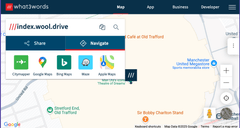
How Shopify Store Owners Can Use what3words to Improve Deliveries and Customer Experience
Read More → -

How New Businesses Can Use AnswerThePublic to Grow
Read More → -

The NI Business Facebook Group
Read More → -

E-Commerce Trends and Best Practices for Northern Ireland Shopify Businesses (2025)
Read More → -

Valentine’s Day Shopify Success: Tips & Inspiration
Read More → -

Content Marketing Ideas for Shopify Stores in 2025
Read More → -

Turn Swipes Into Stories - How to Make an Instagram Carousel Feel Like an Animation
Read More → -

How to Write and Publish a Blog Post on Your Shopify Store
Read More → -

Moira Community Association Is Now a Registered Charity: What It Took
Moira Community Association is now charity NIC109475. What it took: a constitution, trustees, a y...
Read More → -

Tech for Good Is Now One of Our Three Pillars. Here’s What That Means
Why tech for good now sits alongside web design and e-commerce at Invisible Building, and the rul...
Read More → -

Mapping User Journeys: Charting the User Experience
User Journeys Maps: User Journeys Maps are a wa...
Read More → -

Santa Came to Moira (and It Snowed): The 2022 Parade, the Appeal and £371 for NICHS
Moira Community Association’s first Santa parade: local sponsors, a sleigh down Main Street, snow...
Read More → -

Six Micro-Brands for One Startup Community
Startup Stories, Brew Crew, Deep Dive, ELSS, Pause and Raise Pitch Night: why a small accelerator...
Read More → -

MVP Prototyping: Notes from the Raise Deep Dive Panel
When to use no-code, why to build on boring open technology, and why a prototype is your best pit...
Read More → -

The Future of Fintech Is Small: Notes for the Digital DNA Panel
From the Future of Fintech panel at Digital DNA 2022: why the next big thing is small payments, a...
Read More → -

The Future of Finance, Starting with Small Change (and Not Winning Co-Founders)
Sugar’s mission (the future of finance, starting with small change) and what Catalyst’s Co-Founde...
Read More → -

We’ve Started a Community Association in Moira. Here’s the Digital Kit Behind It
Co-founding Moira Community Association: the Facebook group, bank account, forms, payments and ne...
Read More → -

PayMyDesk: What We Built at the Shock the Web Lightning Hackathon
We built PayMyDesk, hot-desking paid for in sats, at BOLT.FUN’s Shock the Web Lightning hackathon...
Read More → -

Design on Hard Mode: Notes from the Bitcoin Design Guide
The Bitcoin Design Guide went Lightning-first in February 2022. What it teaches about keys, progr...
Read More → -

Into the Hothouse: Taking Sugar onto Catalyst’s Co-Founders Programme
Starting Catalyst’s Co-Founders programme with Sugar, our own fintech: how the Hothouse weekend w...
Read More → -

No Code MVPs: My BelfastJS Talk, and a Product Built in 24 Hours
My BelfastJS talk, No Code MVPs: a freelancer directory built in 24 hours with FigJam, Typeform, ...
Read More → -

FixIT Is Live: Report a Housing Repair Without a Word of English
FixIT is live at fixit.rentals: pick the room, tap the problem, add a photo, and the landlord get...
Read More → -

This Thursday: Our Techies in Residence Pitch with Barnardo’s NI
Invisible Building and Barnardo’s NI pitch FixIT, a picture-first housing-repair tool for refugee...
Read More → -

You Probably Don’t Need a Developer Yet: No-Code for Founders
How non-technical founders can test a startup idea with a landing page, a form, an automation and...
Read More → -

Take 5 Steps for Your Mental Wellbeing: What We Pitched at the Hive
The Techies in Residence pitch: a mobile web app for teenagers built on Take 5 Steps to Wellbeing...
Read More →


