
Tech for Good Is Now One of Our Three Pillars. Here’s What That Means
Why Invisible Building now lists tech for good alongside web design and e-commerce, and the rules learned from AWARE, Barnardo’s FixIT and Moira Community.
We’ve redrawn the services page this month around three things: web design, e-commerce, and tech for good. The first two won’t surprise anyone who has worked with us. The third has been true for years without ever being written down, so this is me writing it down.

What tech for good means here
I don’t mean an app with a cause attached. I mean a way of working that we have ended up applying, over and over, to organisations that exist for something other than profit.
It started in 2015, when Invisible Building was in the first cohort of the Building Change Trust’s Techies in Residence programme, embedded for ten weeks with AWARE to take their Mood Matters schools programme onto a phone. It carried on in 2021, when we went back into Techies in Residence (by then run by the Community Foundation with Comic Relief money) with Barnardo’s NI, and built FixIT, a picture-first tool that lets refugee families report a housing repair without needing English. And for the last year it has been closer to home: helping to found Moira Community Association in our own village, and being its treasurer.
Three very different projects. The same handful of rules underneath.
The rules
Build with, not for. Every one of those projects was built alongside the people who would support it and, wherever we could, the people who would use it. The residency model is the best way I have found to do this: months embedded, not a brief over a desk. It is why I keep going back.
Small and specific beats platform. Nobody at Barnardo’s asked for a platform. They asked for the boiler to get fixed without a phone call. The best charity technology solves one problem so well that it disappears.
Boring technology. Web apps, not native. Plain stacks. Hosting that costs pounds a month. Things a volunteer can run in five years’ time without a developer on retainer. FixIT is built that way. So is Moira Community’s website.
Plan for the day after launch. This is the one I got wrong the first time. The AWARE residency ended with a working prototype and no funding to take it further, and I have thought about that ever since. With FixIT we scoped for hosting, languages and handover from the first week, and it is still live.
Plumbing counts. A Facebook group run properly. A bank account with the right signatories. Forms instead of email threads. A constitution that survives its founders. None of it is glamorous, and it is exactly where community groups fall over. Moira has taught me more about tech for good than either app did.
Why make it a pillar
Partly because it is a fair description of the work. Partly because I want to do more of it, and the easiest way to get asked is to say so. And partly because the businesses we build Shopify stores for tend to like it too. It says something about how we work that a portfolio of nice product pages can’t.
So: if you run a charity, a community group or a social enterprise in Northern Ireland and you are weighing up something digital (a tool, a website, a funding application with a technology line in it, or just whether the thing you’re thinking of is a good idea), get in touch. That is now, officially, a third of what we do.
Enjoyed this? Try one of these:
-

We’re the New Title Sponsor of the Belfast Renegades
Invisible Building is the new title and shirt sponsor of the Belfast Renegades ice hockey team, a...
Read More → -

Cupán Focail: Reviving the Irish Language One Cupán Caife at a Time
Read More → -

Visit Belfast in July for Belfast Whiskey Week
Read More → -

The Work That Made Us Go All-In on Shopify
Read More → -

A Small Update, A Clear Intention: Our New Events Page
Read More → -

What Belfast Shopify Businesses Really Want (According to Our Clients)
Read More → -

Independent Irish Shopify Studio Values | How We Work at Invisible Building
Read More → -

Looking Back at Magic at Moira: 10k Views, The Santa Run, and Building Something That Lasts
Read More → -

10 Shopify Design Patterns Every NI, Irish & UK Business Should Steal in 2026
Read More → -

Free Shopify Training in Northern Ireland: How to Skill Up with Go Succeed
Looking for free Shopify training in Northern Ireland? Go Succeed offers funded expert worksho...
Read More → -

Shopify SEO Tips for Northern Ireland Businesses
Read More → -

From Wix to Shopify: Why It’s Time to Level Up Your Store
Read More → -

Smart Shopify Websites: How Invisible Building Uses AI to Power Performance, Design & Growth
Read More → -
Northern Ireland Shopify Success Stories: 5 Brands That Sailed Past £1 Million
Read More → -

15 Must-Ask Questions Before You Hire a Shopify Developer (+ Free Checklist)
Read More → -

How to Source Products for Your Shopify Store in NI?
Read More → -

Inside the Build: 4 Case Studies from Invisible Building
Read More → -

How We're Using ChatGPT and AI to Boost Creativity and Output at Invisible Building
Read More → -

111 Songs to Get You Motivated While Working
Read More → -

Belfast drone footage meets creative strategy
Read More → -

From CSS to Stud Walls: Invisible Building Goes Full Bauhaus
Read More → -

What to Post This Month: NI Social Media Calendar for April 2025
Read More → -
The Ultimate NI Small Business Toolkit
Read More → -

Rebuilding LooseHeadz’s Shopify Store in Under a Month
Moving rugby’s mental-health charity LooseHeadz off an expiring page builder onto a clean, mobile...
Read More → -
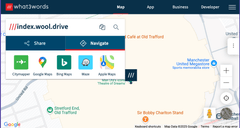
How Shopify Store Owners Can Use what3words to Improve Deliveries and Customer Experience
Read More → -

How New Businesses Can Use AnswerThePublic to Grow
Read More → -

The NI Business Facebook Group
Read More → -

E-Commerce Trends and Best Practices for Northern Ireland Shopify Businesses (2025)
Read More → -

Valentine’s Day Shopify Success: Tips & Inspiration
Read More → -

Content Marketing Ideas for Shopify Stores in 2025
Read More → -

Turn Swipes Into Stories - How to Make an Instagram Carousel Feel Like an Animation
Read More → -

How to Write and Publish a Blog Post on Your Shopify Store
Read More → -

Moira Community Association Is Now a Registered Charity: What It Took
Moira Community Association is now charity NIC109475. What it took: a constitution, trustees, a y...
Read More → -

Mapping User Journeys: Charting the User Experience
User Journeys Maps: User Journeys Maps are a wa...
Read More → -

Santa Came to Moira (and It Snowed): The 2022 Parade, the Appeal and £371 for NICHS
Moira Community Association’s first Santa parade: local sponsors, a sleigh down Main Street, snow...
Read More → -

Six Micro-Brands for One Startup Community
Startup Stories, Brew Crew, Deep Dive, ELSS, Pause and Raise Pitch Night: why a small accelerator...
Read More → -

MVP Prototyping: Notes from the Raise Deep Dive Panel
When to use no-code, why to build on boring open technology, and why a prototype is your best pit...
Read More → -

The Future of Fintech Is Small: Notes for the Digital DNA Panel
From the Future of Fintech panel at Digital DNA 2022: why the next big thing is small payments, a...
Read More → -

The Future of Finance, Starting with Small Change (and Not Winning Co-Founders)
Sugar’s mission (the future of finance, starting with small change) and what Catalyst’s Co-Founde...
Read More → -

We’ve Started a Community Association in Moira. Here’s the Digital Kit Behind It
Co-founding Moira Community Association: the Facebook group, bank account, forms, payments and ne...
Read More → -

PayMyDesk: What We Built at the Shock the Web Lightning Hackathon
We built PayMyDesk, hot-desking paid for in sats, at BOLT.FUN’s Shock the Web Lightning hackathon...
Read More → -

Design on Hard Mode: Notes from the Bitcoin Design Guide
The Bitcoin Design Guide went Lightning-first in February 2022. What it teaches about keys, progr...
Read More → -

Into the Hothouse: Taking Sugar onto Catalyst’s Co-Founders Programme
Starting Catalyst’s Co-Founders programme with Sugar, our own fintech: how the Hothouse weekend w...
Read More → -

No Code MVPs: My BelfastJS Talk, and a Product Built in 24 Hours
My BelfastJS talk, No Code MVPs: a freelancer directory built in 24 hours with FigJam, Typeform, ...
Read More → -

FixIT Is Live: Report a Housing Repair Without a Word of English
FixIT is live at fixit.rentals: pick the room, tap the problem, add a photo, and the landlord get...
Read More → -

This Thursday: Our Techies in Residence Pitch with Barnardo’s NI
Invisible Building and Barnardo’s NI pitch FixIT, a picture-first housing-repair tool for refugee...
Read More → -

You Probably Don’t Need a Developer Yet: No-Code for Founders
How non-technical founders can test a startup idea with a landing page, a form, an automation and...
Read More → -

Remote Raise: What Happens When a Pitch Night Moves to Zoom
Raise Ventures moved its investor pitch night onto Zoom in June 2020: seven startups, 40 angels a...
Read More → -

Take 5 Steps for Your Mental Wellbeing: What We Pitched at the Hive
The Techies in Residence pitch: a mobile web app for teenagers built on Take 5 Steps to Wellbeing...
Read More →


